
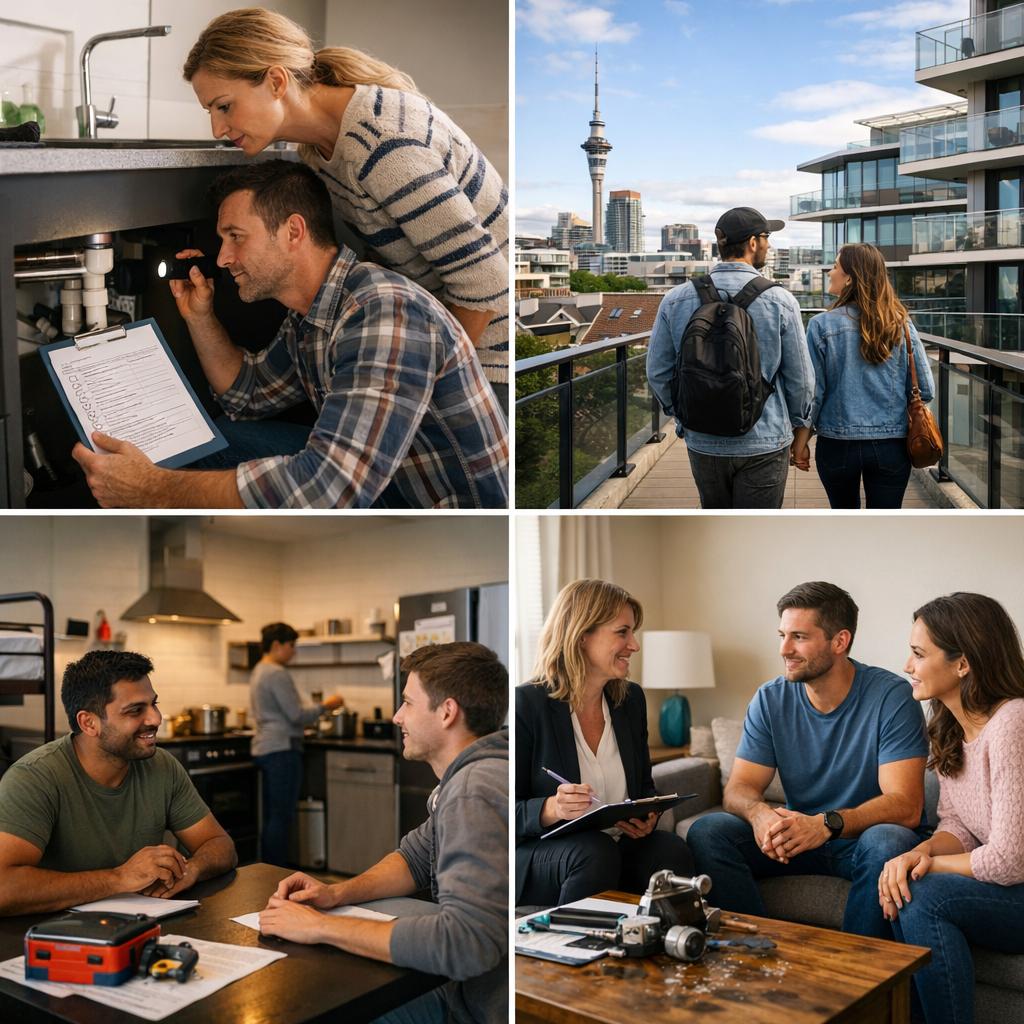

Maintenance is one of the most common sources of stress in renting—often not because people don’t care, but because expectations aren’t clear and processes aren’t consistent. A good maintenance system protects the property, supports tenant wellbeing, and reduces disputes.
At NW Property Management, we manage maintenance with a professional, transparent approach across East and South Auckland. Here’s how to make maintenance smoother for both landlords and tenants.
1) The shared goal: safe, functional homes and protected investments
Maintenance is not just a cost—done well, it protects long-term value and supports stable tenancies. When issues are addressed early, repairs are often simpler, cheaper, and less disruptive.
- Early reporting prevents escalation (especially water and electrical issues).
- Clear communication reduces frustration and confusion.
- Accurate records help ensure consistency and fair decision-making.
2) Tenants: how to report issues so they can be resolved faster
The quality of the initial report makes a big difference. A clear description helps the property manager triage urgency, book the right trade, and reduce back-and-forth communication.
- Describe what happened and when it started (e.g., “leak began last night”).
- Include photos or video if possible—especially for leaks, mould, or damage.
- Explain the impact (e.g., “no hot water”, “power tripping”, “door won’t lock”).
- Let the manager know about access constraints (work hours, pets, intercom instructions).
3) Landlords: why proactive maintenance saves money
Delaying repairs can turn a small issue into a large one. Water ingress, ventilation problems, and minor electrical issues can escalate quickly—especially in winter. A proactive approach also improves tenant retention, which reduces vacancy and reletting costs.
- Plan periodic maintenance reviews (heating servicing, gutter checks, ventilation).
- Approve sensible repairs that prevent repeated callouts.
- Treat safety and essential services as priority.
4) What ‘urgent’ usually looks like (and why communication matters)
Urgency is typically linked to safety, security, or essential services. In practice, urgency also depends on the impact on the household and the risk of damage increasing quickly (for example, active leaks). A calm, process-driven response helps everyone feel supported.
- Safety risks: electrical faults, flooding, significant hazards
- Security risks: external doors/windows that won’t secure properly
- Essential services: no water, no hot water, loss of power affecting the household
- Escalation risks: active leaks or issues likely to cause further damage if delayed
5) How professional property management reduces maintenance stress
A property manager’s role is to coordinate repairs fairly and efficiently—balancing tenant wellbeing with long-term property protection. The best outcomes come from structured triage, reliable trades, and clear updates to both parties.
- Fast assessment and practical decision-making.
- Coordinated access, including key management and tenant communication.
- Reliable contractor scheduling and follow-up.
- Clear updates to landlords and tenants, with documentation for transparency.
- Consistent processes that reduce disputes and confusion.
Final thought
Maintenance doesn’t have to be complicated. With early reporting, clear communication, and a reliable process, repairs can be handled efficiently and professionally—protecting landlords and supporting tenants. NW Property Management provides proactive, transparent management across East and South Auckland to keep properties running smoothly.